Introduction: A Generational Shift Toward Peace
In recent years, a noticeable shift has emerged in how Millennials and Gen Z approach life, work, and success. Unlike previous generations that often glorified overworking and endurance, today’s young adults are increasingly choosing peace over pressure. This change is not about being unmotivated or avoiding responsibility—it’s about survival, mental health, and building a sustainable life.Choosing peace over pressure has become a defining mindset for Millennials and Gen Z.
Growing up in an era of economic uncertainty, social media overload, global crises, and constant comparison has shaped a generation that values balance, emotional well-being, and inner peace more than traditional markers of success. This article explores why Millennials and Gen Z are choosing peace over pressure, and what this shift means for the future of work, relationships, and society.
Understanding the World Millennials and Gen Z Grew Up In
To understand this mindset shift, it’s important to look at the environment these generations were raised in.
Millennials and Gen Z have experienced:
- Economic recessions and job instability
- Rising living costs and student debt
- Social media pressure and constant comparison
- Global crises and uncertainty
- Increased awareness of mental health issues
Unlike earlier generations, they were exposed early to burnout culture and its consequences. Choosing peace is often a response to what they’ve seen and lived through.
The Mental Health Wake-Up Call
One of the biggest reasons Millennials and Gen Z prioritize peace is mental health awareness. Anxiety, depression, and burnout are openly discussed today, unlike in the past when they were often ignored or stigmatized.
This generation understands that:
- Chronic stress leads to burnout
- Mental health affects physical health
- Productivity means nothing without well-being
Rather than pushing through exhaustion, they are choosing rest, therapy, and emotional regulation. Peace is no longer seen as laziness—it’s seen as necessary maintenance.
Burnout Culture and Its Lasting Impact
Hustle culture once promised success through constant effort. However, Millennials witnessed firsthand how burnout culture impacted older generations—long hours, missed family time, declining health, and emotional exhaustion.
Gen Z, in particular, entered the workforce already aware of these risks. Instead of blindly following the grind, they began asking:
- Is this lifestyle sustainable?
- What is success costing me?
- Is constant pressure worth the reward?
For many, the answer was no.
Why Choosing Peace Over Pressure Matters Today
Traditional success has long been defined by income, job titles, and material achievements. Millennials and Gen Z are redefining this narrative.
For them, success increasingly looks like:
- Mental clarity
- Time freedom
- Emotional safety
- Meaningful work
- Healthy relationships
This shift explains why peace is often chosen over high-pressure careers that compromise personal well-being.
The Shift From Constant Pressure to Mental Balance
Social media plays a complex role in this generational shift. While it can create pressure through comparison, it has also helped normalize conversations around mental health, rest, and boundaries.
Platforms like Instagram and TikTok have popularized ideas such as:
- Slow living
- Soft life
- Work-life balance
- Saying no without guilt
Seeing others choose peace gives people permission to do the same.
Why Work-Life Balance Matters More Than Ever
Millennials and Gen Z value work—but not at the expense of their lives. Remote work, flexible schedules, and boundary-setting are not trends; they are priorities.
This generation believes:
- Work should support life, not consume it
- Productivity should be sustainable
- Time is as valuable as money
Choosing peace often means choosing jobs and lifestyles that allow room to breathe.
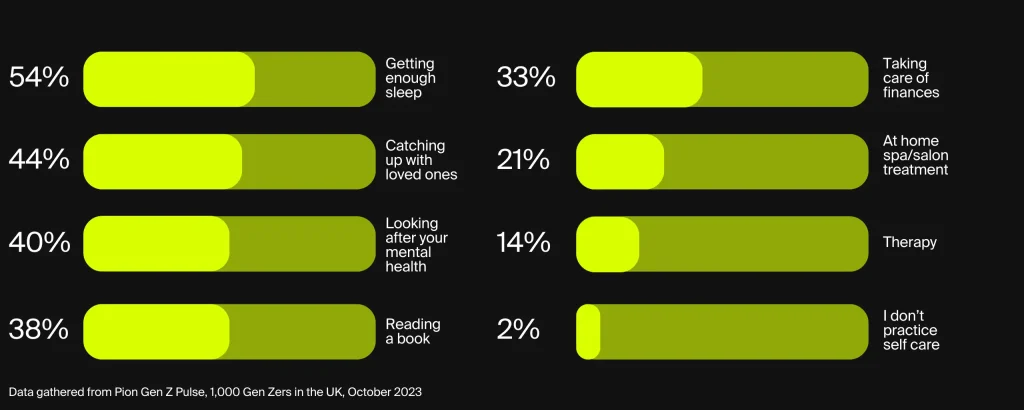
Emotional Intelligence as a Survival Skill
Another reason for choosing peace is emotional awareness. Millennials and Gen Z are more emotionally literate than previous generations, thanks to access to information, therapy culture, and open dialogue.
They recognize the importance of:
- Emotional boundaries
- Self-awareness
- Communication
- Healing from trauma
Peace is often the result of emotional maturity, not avoidance.
Financial Pressure and the Desire for Stability
Ironically, choosing peace doesn’t mean ignoring financial reality. In fact, many Millennials and Gen Z pursue peace because of financial stress.
With rising costs and uncertain job markets, constant pressure feels unsustainable. As a result, they focus on:
- Financial planning
- Minimalism
- Avoiding lifestyle inflation
- Reducing stress around money
Peace becomes a coping strategy in an unpredictable economy.
Saying No as a Form of Self-Respect
Unlike earlier generations that equated overcommitment with dedication, Millennials and Gen Z are learning the power of saying no.
They understand that:
- Overextending leads to resentment
- Boundaries protect mental health
- Not everything deserves their energy
Choosing peace often starts with choosing what not to tolerate.
Why Pressure Is No Longer a Badge of Honor
Being “busy” used to signal importance. Today, it often signals burnout.
Millennials and Gen Z are rejecting the idea that exhaustion equals success. Instead, they value:
- Calm routines
- Restful mornings
- Intentional living
Pressure is no longer impressive—it’s a warning sign.
The Influence of Global Uncertainty
Living through pandemics, climate anxiety, and global instability has reshaped priorities. When the future feels uncertain, peace becomes essential.
This generation understands that:
- Life is fragile
- Health is not guaranteed
- Constant stress is harmful
Choosing peace is a way to regain control in a chaotic world.
Peace as Productivity, Not Opposition to It
Choosing peace doesn’t mean giving up on goals. In fact, many Millennials and Gen Z find they are more productive when calm.
Peace allows for:
- Better focus
- Clear decision-making
- Creative thinking
- Long-term consistency
Rather than rushing, they choose intentional progress.
How This Shift Is Changing Society
This generational mindset is already reshaping workplaces, education, and culture. Employers are adapting, conversations are evolving, and success is being redefined.
In the long run, choosing peace over pressure may lead to:
- Healthier work environments
- More fulfilled individuals
- Sustainable productivity
It’s not a rebellion—it’s an evolution.

Final Thoughts: Peace Is the New Power
Millennials and Gen Z are not choosing peace because they are weak. They are choosing it because they are aware. They have seen what pressure does to people, and they are opting for a different path.
Choosing peace is not about escaping life—it’s about living it fully, without unnecessary suffering.
Conclusion: A Generation Choosing Survival Over Struggle
The decision to prioritize peace over pressure reflects a deep understanding of mental health, sustainability, and self-worth. Millennials and Gen Z are proving that success doesn’t have to be painful to be meaningful.
In a world that constantly demands more, choosing peace is not quitting—it’s surviving with intention.