
There is a quiet kind of pain that doesn’t cry out for attention. It hides behind smiles, polite conversations, and the simple phrase: “I’m fine.”
Pretending to be okay may seem like strength, but over time, it becomes one of the heaviest emotional burdens a person can carry.
In a world that rewards positivity and resilience, admitting you’re not okay often feels like weakness. Yet the truth is this: pretending hurts more than honesty ever will.
The Emotional Weight of Pretending to Be Okay
Pretending to be okay means suppressing emotions instead of processing them. Each time you hide sadness, exhaustion, or fear, you push those feelings deeper inside.
What happens then?
- Emotional pressure builds
- Mental exhaustion increases
- Inner peace slowly disappears
Smiling while breaking inside is not strength—it’s survival mode.
Why People Pretend They’re Okay
Fear of Being a Burden
Many people hide their pain because they don’t want to inconvenience others. They believe their emotions are “too much.”
Fear of Judgment
Society often misunderstands vulnerability. Admitting you’re not okay can invite unwanted opinions, advice, or dismissal.
Fear of Appearing Weak
We’re taught to be strong, productive, and positive. Emotional honesty is rarely encouraged.
The Hidden Damage of Hiding Emotions
Emotional Burnout
Pretending requires constant effort. Over time, this leads to burnout—mental, emotional, and even physical.
Disconnection From Yourself
When you ignore your feelings, you lose touch with your inner voice. You stop understanding what you truly need.
Loneliness
Ironically, pretending to be okay makes you feel more alone—because no one sees the real you.
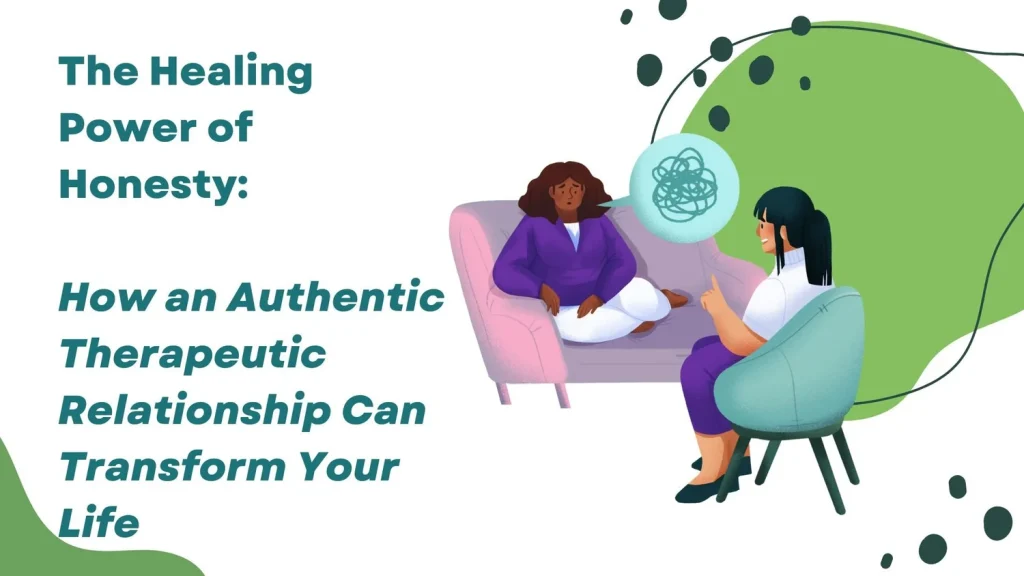
Pretending Happiness vs Real Healing
Fake happiness creates distance between who you are and who you show the world.
Healing, on the other hand, begins with honesty:
- Admitting pain
- Allowing emotions
- Seeking understanding
You don’t heal what you refuse to acknowledge.
Why Admitting You’re Not Okay Is Powerful
Emotional Honesty Is Courage
Saying “I’m not okay” takes more strength than pretending everything is fine.
Vulnerability Builds Real Connections
People don’t connect with perfection. They connect with honesty.
It Opens the Door to Healing
Admitting pain allows support, self-care, and growth to begin.
The Mental Health Impact of Silent Suffering
Silent suffering can lead to:
- Anxiety
- Depression
- Chronic stress
- Emotional numbness
Mental health struggles don’t disappear when ignored. They grow louder internally.
Why Society Encourages Pretending
We live in a culture of productivity and performance. People are praised for:
- Working through pain
- Staying “strong”
- Never slowing down
But emotional suppression is not resilience—it’s delayed collapse.
Signs You’re Pretending to Be Okay
- You feel tired all the time
- You avoid talking about your feelings
- You joke about pain instead of addressing it
- You feel disconnected from joy
- You feel overwhelmed in silence
These are signals—not failures.
The Cost of Always Saying “I’m Fine”
“I’m fine” often means:
- I’m overwhelmed
- I’m exhausted
- I’m hurting but don’t know how to say it
Those two words can trap you in isolation if repeated long enough.
Emotional Honesty Leads to Inner Peace
Peace doesn’t come from pretending. It comes from alignment—when your inner world matches your outer expression.
When you’re honest:
- Your mind relaxes
- Your emotions flow naturally
- Your healing accelerates
How to Stop Pretending and Start Healing
1. Allow Yourself to Feel
Your emotions are valid—even the uncomfortable ones.
2. Express Without Explaining
You don’t owe detailed justifications for your feelings.
3. Choose Safe Spaces
Share with people who listen, not judge.
4. Practice Self-Compassion
You’re human, not weak.
5. Seek Support When Needed
Asking for help is an act of self-respect.
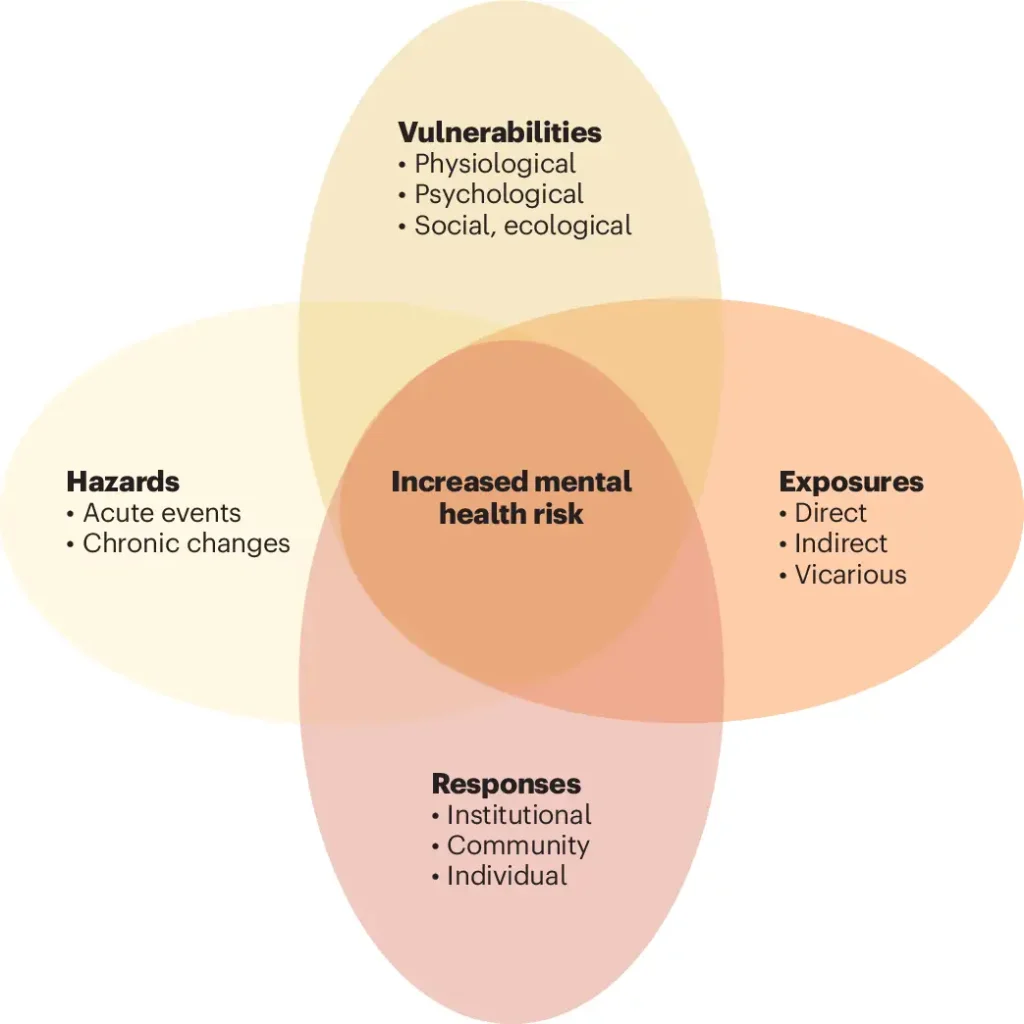
Why Healing Is Not Linear
Some days you’ll feel okay. Some days you won’t. Healing is messy, slow, and deeply personal—and that’s normal.
Progress doesn’t mean perfection.
You Don’t Have to Be Okay All the Time
Constant positivity is unrealistic. Emotional honesty is healthier than forced optimism.
It’s okay to rest.
Allow yourself to feel.
Most importantly, admit when you’re not okay.
Final Thoughts: Choose Honesty Over Silence
Pretending to be okay may protect others from discomfort—but it harms you.
Admitting you’re not okay:
- Reduces emotional weight
- Builds real connections
- Opens the path to healing
You deserve understanding, not performance.
Sometimes, the bravest thing you can say is:
“I’m not okay—and that’s okay.”