
Pretending you’re fine is exhausting — not physically, but emotionally.
It drains your energy, steals your peace, and leaves you feeling empty even on “good” days.
You smile.
Then you say, “I’m okay.”
And you keep going.
But inside, something feels heavy — and no one notices.
Why Do We Pretend We’re Fine?
We pretend because we’re taught to.
From childhood, we learn:
- Don’t complain
- Don’t be weak
- Don’t make others uncomfortable
So instead of saying “I’m struggling”, we say “I’m good.”
Pretending you’re fine becomes a survival habit, not a choice.
Pretending You’re Fine Is Exhausting Because It Requires Constant Acting
Acting takes energy.
You monitor your tone.
Carefully controlling your expressions becomes routine.
Real emotions stay hidden.
This emotional performance runs all day — at work, with friends, even with family. Over time, this leads to emotional exhaustion.
Emotional Exhaustion Is Not Laziness
If you feel tired all the time, you’re not lazy.
You’re emotionally overworked.
Pretending you’re fine forces your brain to:
- Suppress feelings
- Process stress silently
- Stay alert to avoid “slipping”
That’s exhausting.
The Problem With Toxic Positivity
Toxic positivity tells us:
- “Others have it worse”
- “Just be grateful”
- “Stay positive”
But emotions don’t disappear because you ignore them.
Pretending you’re fine in the name of positivity only pushes pain deeper — where it grows quietly.
Smiling Doesn’t Mean You’re Okay
Some of the most exhausted people smile the brightest.
Smiling feels safer than explaining.
Explaining often feels like a burden.
And most times, no one asks twice.
Pretending you’re fine becomes easier than being honest — but much harder to survive.
The Mental Health Cost of Hiding Your Feelings
When you hide emotions long enough, your body reacts:
- Anxiety increases
- Sleep becomes restless
- Overthinking never stops
- Motivation disappears
This is mental fatigue, not weakness.
Why You Feel Tired Even When You Do Nothing
Have you ever felt exhausted after doing “nothing”?
That’s emotional burnout.
Your mind is busy:
- Replaying conversations
- Managing emotions
- Suppressing thoughts
Pretending you’re fine keeps your brain working overtime.
Being Strong All the Time Is Emotionally Expensive
Strength is often misunderstood.
True strength isn’t silence.
It isn’t pretending.
It’s honesty.
Constant strength without rest leads to breakdown — not growth.
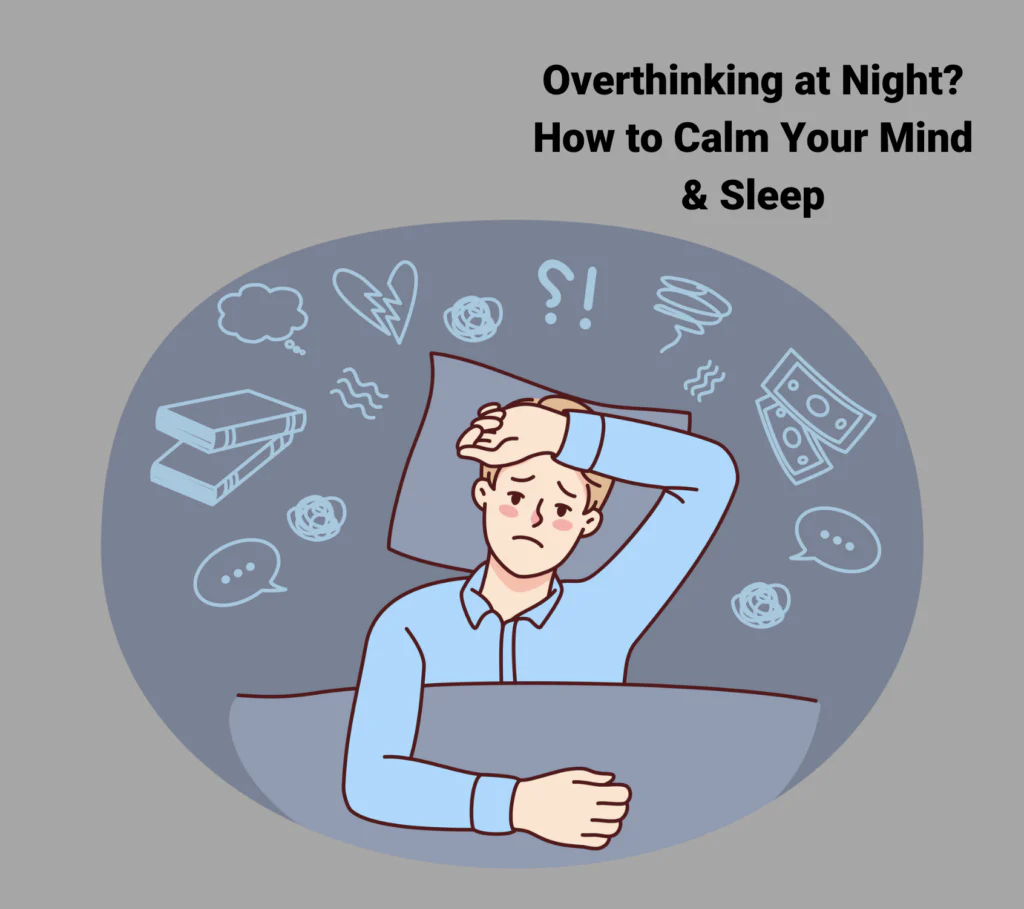
Overthinking Is the Side Effect of Pretending You’re Fine
At night, when distractions stop, emotions speak.
That’s when:
- Thoughts get louder
- Regrets replay
- Tears feel closer
Because what you don’t express during the day comes back at night.
Why Asking for Help Feels So Hard
We fear:
So we choose silence.
But silence doesn’t heal — it only delays.
You’re Allowed to Say You’re Not Okay
Let this be clear:
You don’t owe anyone happiness.
Rest doesn’t require permission.
Your feelings don’t need justification.
It’s okay to admit:
- You’re tired
- You’re overwhelmed
- You’re not okay
How to Stop Pretending You’re Fine
Start small:
- Be honest with one person
- Write instead of suppressing
- Rest without guilt
- Feel without apologizing
Healing begins with truth.
Healing Doesn’t Mean Being Happy All the Time
- Feeling without fear
- Resting without shame
- Being real without pressure
You don’t need to fake happiness to be worthy.
Final Thoughts: You’re Not Weak, You’re Human
Pretending you’re fine is exhausting because humans aren’t meant to live in disguise.
You don’t owe anyone happiness.
Taking rest is allowed.
Your emotions are valid without explanation.
And you’re not alone.