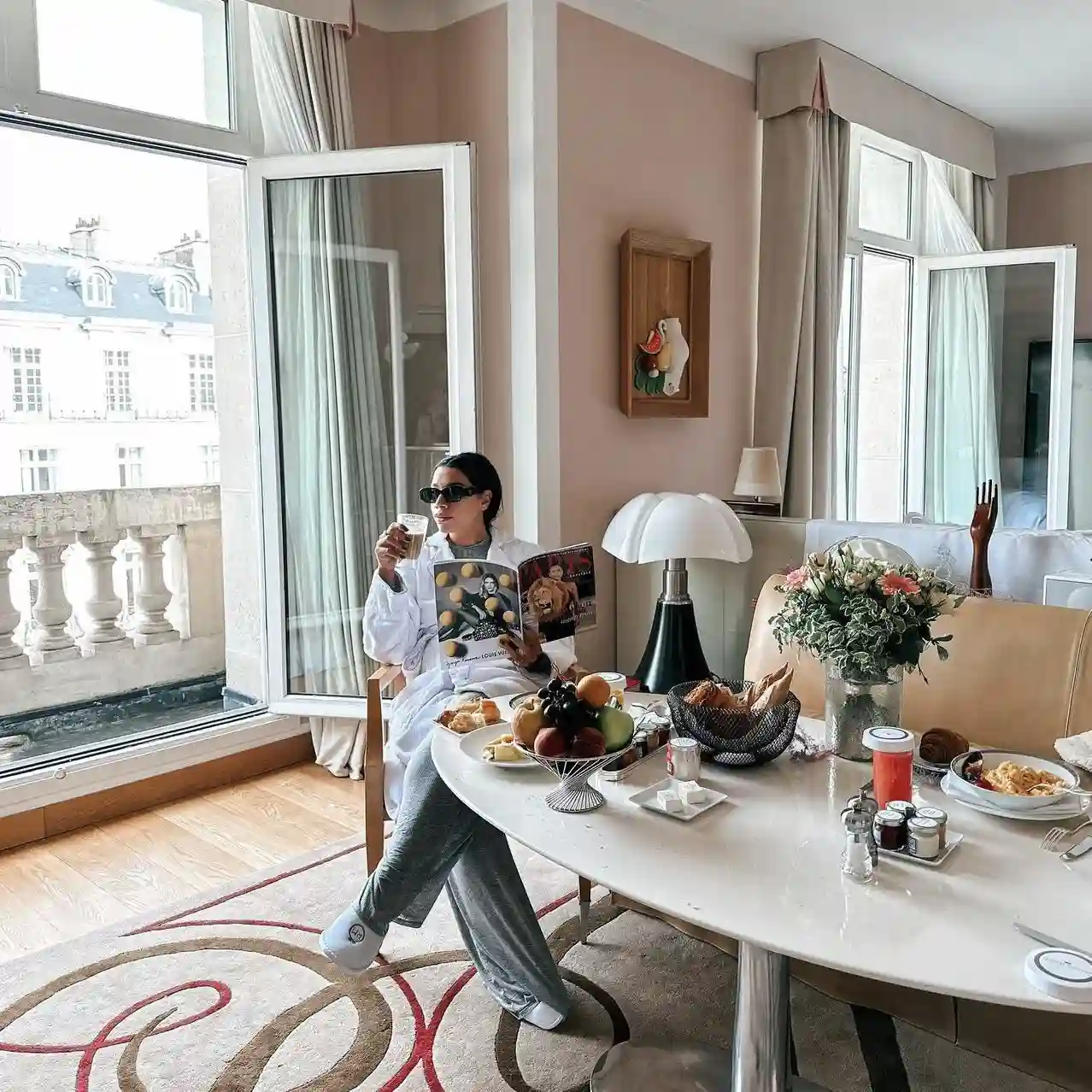
Understanding the Meaning Behind a Softer Lifestyle
In today’s fast-paced, high-pressure world, the phrase soft life era has gained massive popularity—especially on social media. However, many people misunderstand it. Some label it as laziness, avoidance of responsibility, or a lack of ambition. In reality, the life era is not about doing nothing; it’s about doing what protects your mental health, emotional balance, and long-term survival.
The soft life movement emerged as a response to burnout culture, hustle obsession, and unrealistic expectations placed on individuals. Choosing a softer life is not weakness—it is wisdom. This article explores isn’t laziness, it’s survival.
Where the idea of gentle living comes from
The soft life era represents a conscious decision to prioritize peace, wellness, and emotional safety over constant struggle and exhaustion. It means choosing ease where possible and refusing unnecessary stress.
Key elements include:
- Setting healthy boundaries
- Prioritizing mental health
- Choosing rest without guilt
- Valuing emotional safety
- Redefining success
It does not mean avoiding effort or responsibility. Instead, it means working smarter, not harder—and living intentionally rather than reactively.
Why people are choosing peace over pressure
One of the biggest misconceptions about the life era is that it encourages laziness. In truth, laziness is avoidance, while the soft life is alignment.
People in their soft life era still:
- Work hard
- Set goals
- Build careers
- Manage responsibilities
The difference is that they refuse to sacrifice their health for productivity. Choosing rest, saying no, or slowing down does not mean a lack of ambition—it means self-respect.
Why Choosing Ease Is Not the Same as Avoiding Effort
Modern society glorifies hustle culture. Long hours, constant availability, and productivity at any cost are praised. Unfortunately, this mindset has led to:
- Chronic burnout
- Anxiety and depression
- Emotional exhaustion
- Physical health issues
The soft life era emerged as a form of self-preservation. When survival requires rest, slowing down becomes a necessity—not a luxury.
The difference between intentional rest and laziness
For many people—especially women and marginalized communities—the life era is about survival. It is a response to years of:
- Emotional labor
- Financial pressure
- Social expectations
- Trauma and stress
Choosing softness is a way to heal. It allows individuals to reclaim control over their lives and protect their peace in a world that constantly demands more.
How mindful living still requires discipline
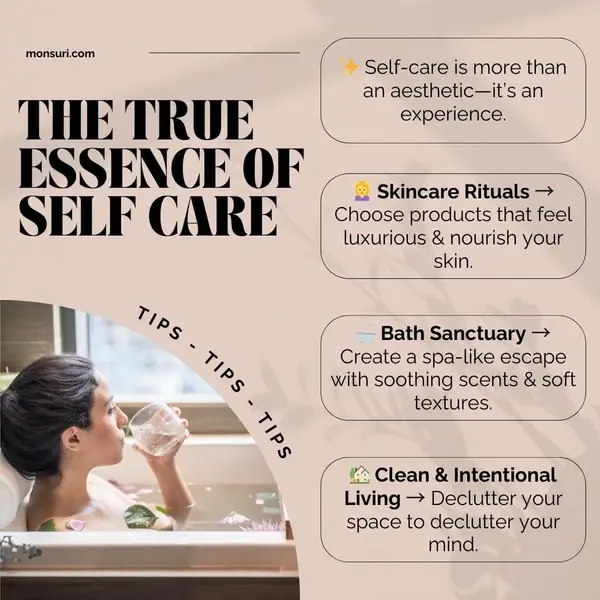
Mental health plays a crucial role in understanding why soft life isn’t laziness. Continuous stress can lead to serious psychological consequences, including burnout, anxiety disorders, and depression.
The supports mental health by:
- Encouraging rest without guilt
- Reducing overstimulation
- Promoting emotional awareness
- Normalizing therapy and self-care
Choosing a softer lifestyle helps create emotional resilience and long-term stability.
The Rise of Burnout Culture in Modern Life
Traditional success is often measured by money, status, and productivity. The soft life era challenges this narrative.
In the soft life mindset, success may look like:
- Peaceful mornings
- Balanced work schedules
- Healthy relationships
- Emotional stability
- Time for hobbies and rest
This redefinition allows people to pursue fulfillment rather than constant validation.
Soft Life vs Hustle Culture: Finding Balance
The soft life era is not about rejecting ambition entirely. It’s about balance. Hustle culture promotes overworking, while the soft life promotes sustainable growth.
A balanced approach includes:
- Setting realistic goals
- Working with intention
- Resting when needed
- Celebrating small wins
Soft living ensures that ambition does not come at the cost of well-being.
Why Rest Is a Radical Act
In a society that glorifies busyness, rest is often seen as unproductive. The soft life era reframes rest as a necessary and radical act.
Rest:
- Improves creativity
- Enhances focus
- Prevents burnout
- Supports emotional health
Choosing rest is not laziness—it’s preparation for longevity.
Emotional Boundaries in the Soft Life Era
A key pillar of the soft life era is boundary setting. Emotional boundaries protect individuals from:
- Overcommitment
- Emotional manipulation
- Unnecessary stress
- home
Learning to say no, limit access, and prioritize personal needs is essential for maintaining peace and emotional energy.
Financial Stability and Soft Living
They does not mean ignoring financial responsibility. In fact, financial stability often supports a softer lifestyle.
Soft living encourages:
- Smart financial planning
- Avoiding lifestyle pressure
- Choosing sustainable income paths
- Reducing stress related to money
The goal is financial peace—not financial perfection.
Soft Life Isn’t Privilege—It’s a Goal
Critics often argue that the soft life era is only accessible to privileged individuals. While access varies, the desire for peace is universal.
Even small steps toward softness—such as setting boundaries, resting more, or prioritizing mental health—are valid.
Social Media and the Rise of the Life Era
Social media has played a major role in popularizing the soft life era. Platforms like Instagram and TikTok showcase:
- Slow mornings
- Aesthetic routines
- Mindful living
While these visuals can be inspiring, it’s important to remember that soft life is about internal peace, not appearances.
How to Start Living
Entering your soft life era doesn’t require drastic changes. You can start by:
- Listening to your body
- Reducing unnecessary commitments
- Prioritizing sleep
- Choosing peace over conflict
- Letting go of guilt
Soft living is a journey, not a destination.
Soft Life and Long-Term Sustainability
A soft life approach promotes long-term sustainability in all areas of life—career, relationships, and health. Instead of short-term success followed by burnout, soft living encourages steady growth and emotional well-being.
Survival isn’t just about getting through today; it’s about building a life you can sustain.
Final Thoughts: Soft Life Is Strength
The not about avoiding effort or responsibility. It’s about choosing yourself in a world that constantly demands more. Softness is not weakness—it is strength, awareness, and survival.
Living softly allows people to heal, grow, and thrive without burning out. In a harsh world, choosing gentleness is an act of courage.
Conclusion: Soft Life Isn’t Laziness, It’s Survival
The soft life era represents a powerful shift in how we view productivity, success, and self-worth. It teaches us that rest is necessary, boundaries are healthy, and peace is valuable. Choosing softness is not quitting—it’s surviving with intention.